
AD

How to Tell If a Tree Needs Professional Help
Key Takeaways:
- Recognizing signs of tree distress early can prevent property damage and maintain landscape health.
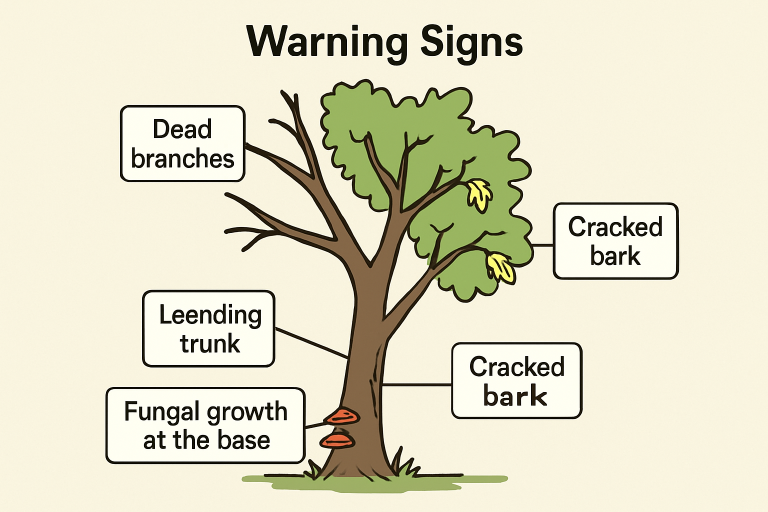
- Key indicators include dead branches, unusual leaning, trunk cracks, fungal growth, and more.
- Consulting a professional like a tree company ensures proper tree diagnosis and care.
- Regular inspections are essential for a safe, attractive property.
Table of Contents:
- Dead or Dying Branches
- Unusual Leaning or Tilting
- Cracks or Splits in the Trunk
- Fungal Growth at the Base
- Unusual Leaf Discoloration or Early Leaf Drop
- Peeling or Missing Bark
- Root Damage or Exposed Roots
- Pest Infestations
- When to Seek Professional Help
Trees play a crucial role in our environment, offering shade, aesthetics, and essential ecological benefits. However, trees can become hazardous if their health is compromised. Recognizing the warning signs that a tree may require professional assessment is important for your landscape’s health and the safety of your property and those around it. If you spot any concerning signs, contacting a reputable tree company North Richland Hills can help you address issues quickly and efficiently, ensuring your trees receive the care they need.
Dead or Dying Branches
One of the most visible indicators of a tree in trouble is the presence of dead or dying branches. These limbs may appear brittle, lack foliage during the growing season, or display abnormal discoloration. Not only do dead branches diminish the tree’s beauty, but they also increase the risk of falling debris, especially during storms. Regular pruning and monitoring by a tree care professional help prevent dangerous situations before they arise.
Unusual Leaning or Tilting
While it’s natural for some trees to grow at an angle, a sudden or dramatic lean often signals underlying structural problems. Trees that tilt unexpectedly may suffer from root damage, shifting soil, or hidden decay. If a tree leans more than 15 degrees from vertical or if you notice new ground movement around the trunk, it’s important to consult an expert immediately to evaluate stability and mitigate risk.
Cracks or Splits in the Trunk
Deep fissures, splits, or cavities within a tree’s trunk can compromise structural support and increase the likelihood of breakage. Cracks often develop due to storm damage, fluctuations in temperature, or internal decay. These weaknesses make the tree susceptible to snapping, resulting in property damage or injury. Inspections should be conducted if trunk abnormalities persist.
Fungal Growth at the Base
Fungal mushrooms and other growths at the tree’s base are strong indicators of internal rot. Fungi thrive on decaying wood, signaling that a significant portion of the tree may be structurally unsound from the inside. Since internal decay is often not visible externally, the presence of fungi warrants a professional assessment to determine the extent of the damage and discuss appropriate interventions.
Unusual Leaf Discoloration or Early Leaf Drop
Stressors such as disease, poor soil health, or pest infestations can cause leaves to turn color earlier than expected, wilt, or fall off the branch prematurely. These symptoms usually signify that the tree’s overall health is compromised and may require fertilization, pest control, or remediation. Addressing early warning signs helps prevent the wider spread of disease or irreversible decline.
Peeling or Missing Bark
Bark protects trees from pests, disease, and environmental damage. When large sections of bark peel away or are missing, it can leave the tree vulnerable to infection and decay. Causes may include severe weather, drought, or animal damage. If bark slogs off and exposes the wood underneath, reaching out to a professional arborist is recommended for diagnosis and potential treatment.
Root Damage or Exposed Roots
Roots are essential for both stability and nutrient absorption. Exposed or damaged roots may result from soil erosion, landscaping activities, or heavy machinery. Look for visible roots above ground, signs of soil upheaval, or fungal growth at the root zone. Severity of root damage may not always be apparent, so a certified arborist can help assess the risks and recommend solutions.
Pest Infestations
Damaging pests such as borers, termites, and carpenter ants can severely compromise tree health. Look for small exit holes in the bark, sawdust-like frass at the base, or increased woodpecker activity—these are often signs of pest activity. Early intervention is crucial, as infestations can quickly progress and affect surrounding vegetation.
When to Seek Professional Help
Whenever you notice any warning signs, it’s best to act sooner rather than later by scheduling an assessment with a certified arborist. Professional evaluations not only help diagnose existing issues but also recommend preventative measures. Regular inspections and maintenance can protect your trees’ long-term health, enhance landscape beauty, and keep your property safe for everyone.
AD