


How to Choose Gemstone Jewelry for Everyday Wear
Key Takeaways
- Choose a gemstone according to how the jewelry will be worn, not color alone.
- Durability includes hardness, toughness, and resistance to heat and chemicals.
- Ask whether a gemstone is natural, lab-created, treated, or an imitation.
- A protective setting can make many gemstones more practical for regular wear.
- Comfort, personal style, and realistic care needs matter as much as appearance.
Gemstone jewelry can add color, personality, and meaning to an everyday wardrobe. Whether you prefer a simple birthstone pendant, a vibrant ring, or handcrafted island-inspired pieces, the best choice is one that suits both your style and your routine. The most successful everyday pieces feel natural to put on and easy to pair with the clothing, metals, and accessories you already enjoy. A beautiful stone is only part of the decision. Jewelry worn often should feel comfortable, withstand normal use, and match the level of care you are willing to provide. Looking beyond color helps you select a piece you can enjoy for years. It can also help you decide whether a design is best reserved for special events, occasional wear, or a place in your daily rotation.
Why Everyday Jewelry Needs A Plan
Special-occasion jewelry can prioritize drama, scale, and delicate details. Everyday pieces have a different job. They may encounter desks, door handles, lotions, water, bags, and frequent handwashing. Rings generally receive more direct contact than earrings or pendants, so a design that works beautifully around the neck may not be ideal for a busy pair of hands. Planning does not mean choosing a plain piece; it means balancing expressive design details with features that support the way you actually live.
Start With Your Lifestyle
Begin with your habits before comparing gemstones. Consider whether you will wear the piece daily, work with your hands, exercise while wearing jewelry, or prefer to remove it before household tasks. Also think about exposure to perfume, sunscreen, cleaning products, heat, and water. A person who frequently gardens, cooks, travels, or works in a hands-on setting may have different needs than someone looking for jewelry to wear mainly at social events or in an office. For example, someone choosing a daily ring may benefit from a durable stone in a low-profile, protective setting. Someone selecting a necklace has more freedom to choose a softer gem, an unusual cut, or a larger statement design because pendants usually receive fewer hard impacts. Earrings can also be a practical place to wear gems that might need more protection in a ring, provided the closures are secure and the design is comfortable.
Choose The Right Gemstone
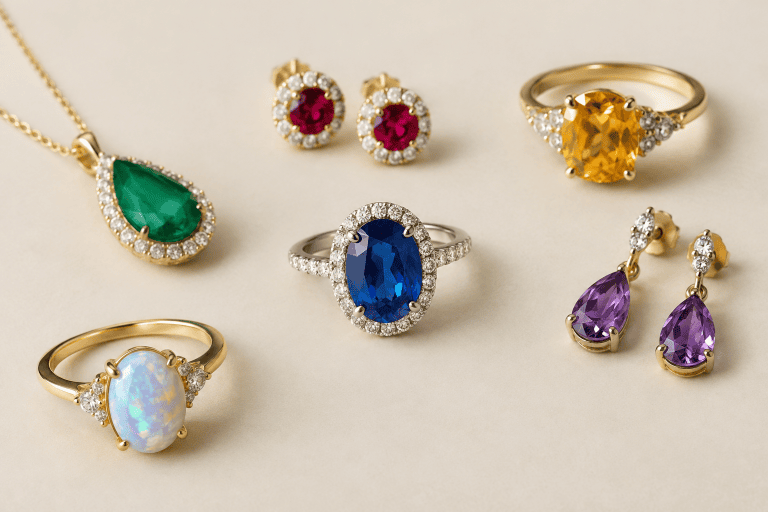
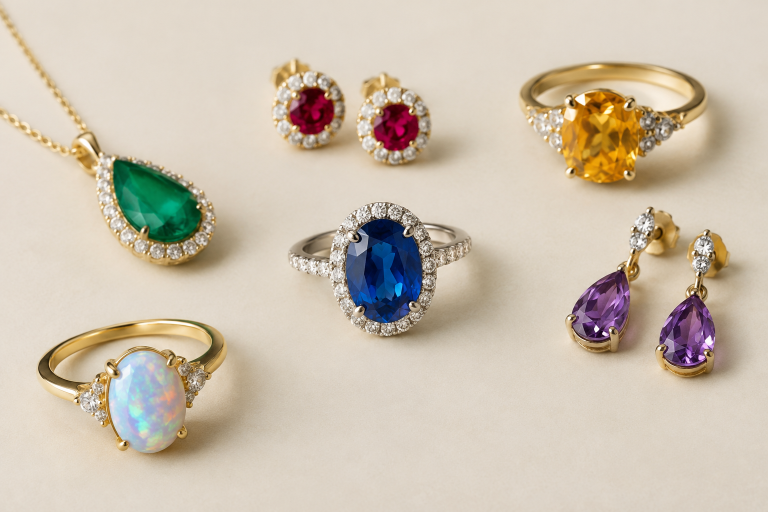
There is no single best gemstone for every person. Sapphire, ruby, and spinel are often considered practical choices for active wear. Garnet, tourmaline, amethyst, and aquamarine offer a wide range of colors for many jewelry styles. Opal, pearl, moonstone, and tanzanite can be lovely choices when worn thoughtfully, especially in earrings and pendants. Emerald, citrine, turquoise, and lab-created gems can create a bold focal point when the design matches their care needs. When comparing stones, remember that durability is more than a hardness ranking. Hardness describes resistance to scratching, while toughness concerns resistance to chipping or breaking. Some materials may also be sensitive to sudden temperature changes, strong chemicals, or repeated contact with moisture. A jeweler can help explain how these characteristics apply to a particular gem and design.
Look Beyond Color
Color is usually the first quality people notice, but it is not the only one that matters. Compare hue, tone, saturation, and the evenness of color across the stone. Also consider clarity, cut quality, polish, face-up size, and whether visible inclusions affect the gem’s beauty or structural security. The gemstone properties and buyer guidance available through GIA can help shoppers compare materials before making a final decision. Viewing a gemstone in more than one type of lighting can also be useful. Daylight, indoor lighting, and evening lighting may each emphasize different aspects of color and sparkle. Pay attention to the stone’s proportions as well: a well-cut gem may appear lively and balanced, while an unusually deep or shallow cut can affect how large it looks when worn.
Natural, Lab-Created, And Imitation Stones
Natural gemstones form through geological or organic processes. Lab-created gemstones are grown in controlled conditions and may share many chemical and physical characteristics with their natural counterparts. Imitation stones are different materials made to resemble another gem. None of these descriptions automatically determines whether a piece is right for you. Clear labeling matters because it allows you to fairly compare price, appearance, rarity, and care expectations. Ask the seller to describe the material in writing, especially if the stone is central to the purchase’s value. Knowing exactly what you are buying makes it easier to insure, clean, repair, and compare the piece later. It also lets you focus on the qualities that matter most to you, whether that is origin, appearance, budget, durability, or sentimental value.
Ask About Gemstone Treatments
Gemstones may be heated, dyed, coated, filled, irradiated, or otherwise treated to alter color or clarity. Treatments are common, but they should be disclosed because some can affect durability, cleaning, repairs, or long-term appearance. Review how different gemstone treatments can affect care before using heat, chemicals, ultrasonic cleaning, or steam around a treated stone. Treatment information is particularly useful if you expect to have the piece resized, repaired, replated, or reset in the future. Jewelers may need to adjust their methods to avoid affecting a treated stone. Keep any documentation supplied with the jewelry so that future care providers have the information they need.
- Has the stone been treated?
- Is the treatment stable under normal wear?
- Does it require special cleaning or repair precautions?
Match The Stone To The Setting
The setting shapes both the look and protection of gemstone jewelry. Bezel settings surround more of a stone with metal, while flush settings keep the gem close to the jewelry surface. Prongs admit more light but can leave edges more exposed. Halo designs add surrounding detail, and protective pendant styles can help keep delicate gems away from hard surfaces. Stones with pointed corners, thin edges, or visible fractures benefit from extra support.
Also consider how high the stone sits above the finger, wrist, or neckline. A lower profile may be less likely to catch on clothing and may feel more comfortable during everyday tasks. If you prefer prongs, have them checked periodically, because worn or bent prongs can leave a gemstone less secure.
Select The Right Metal
Metal color changes the overall character of a gemstone. Yellow gold can emphasize warm, rich colors, while white gold and platinum create a crisp contrast with many blue, green, and pastel stones. Rose gold often pairs well with pink, peach, red, and champagne tones. Sterling silver can be an accessible casual option, although it may need occasional polishing. Consider skin sensitivity, maintenance, and the metals you most often wear. Metal choice can also affect a piece’s visual weight and the amount of maintenance it needs. A coordinated metal palette may make a jewelry collection feel cohesive, but there is no rule against mixing tones. Trying on jewelry, when possible, is one of the easiest ways to see whether the gemstone and metal complement your skin tone and personal style.
Shop With Confidence
Read the full product description and look beyond carat weight alone. Confirm the stone’s identity, treatment status, measurements, metal type, and return policy. For a higher-value purchase, ask whether a gem identification report is available. A reputable seller should be able to provide clear written details and answer practical questions about wear, cleaning, resizing, and repair. Photographs are helpful, but they do not always show exact scale, color variation, or the height of a setting. Review measurements in millimeters, look for photos from several angles, and ask whether the listed image shows the actual piece or a representative example. Before purchasing a ring, confirm the sizing options and whether future resizing may be possible for that particular design.
Care For Gemstone Jewelry
Remove jewelry before swimming, bathing, exercising, or cleaning. Apply perfume, lotion, and hair products before putting it on, then wipe the piece with a soft cloth after wear. Store items separately to reduce scratching and tangling. Mild soap and water may be suitable for some pieces, but cleaning methods depend on the stone, any treatment, and the setting. When in doubt, ask a jeweler before using an ultrasonic or steam cleaner.
It is also helpful to inspect frequently worn jewelry from time to time. Look for loose stones, catching prongs, worn clasps, or changes in the gem’s appearance. Prompt professional attention can help prevent a small issue from becoming a lost stone or a more complicated repair.
Common Questions
What Is The Best Gemstone For Everyday Wear?
Sapphire, ruby, and spinel are frequently chosen for regularly worn jewelry, particularly rings. Even so, the setting, stone condition, and wearer’s activities remain important. Diamonds are another common choice for everyday jewelry because of their scratch resistance, although any gemstone can be damaged by a hard enough impact.
Can Soft Gemstones Be Worn Every Day?
Yes, with reasonable care and a suitable design. Softer or more delicate gems are often better suited to earrings, pendants, or protected ring settings. Consider reserving especially delicate pieces for lower-impact days and storing them carefully when they are not being worn.
Should Gemstone Jewelry Match Other Jewelry?
Matching is optional. Coordinated metals create a polished appearance, while mixed metals and varied gemstones can feel relaxed and personal. Repeating one small element, such as a metal tone, color family, or texture, can help an intentionally mixed look feel cohesive.
Final Thoughts
The right gemstone jewelry balances visual appeal with practicality for everyday wear. When choosing a piece, consider the gemstone itself, including its durability, color, clarity, and any treatments that may affect its appearance or care requirements. The setting and metal are equally important because they influence the jewelry’s overall style, comfort, and ability to protect the stone from damage. Think about how often you plan to wear the piece and whether it suits your daily activities, personal style, and existing collection. Some gemstones may require more careful handling, regular cleaning, or professional maintenance than others, so understanding their needs can help you make a more informed decision. It is also worth asking the seller about the stone’s origin, treatments, authenticity, and recommended care practices before purchasing. A beautiful piece should not only catch your eye but also fit comfortably into your lifestyle. By taking time to compare materials, evaluate craftsmanship, and consider long-term maintenance, you can choose gemstone jewelry that feels meaningful, practical, and suitable for years of enjoyment.
AD