

A Guide to Buying and Selling Fine Jewelry and Luxury Goods
Understanding the Spectrum of Fine Jewelry and Luxury Goods
The world of fine jewelry and luxury goods is captivating. It’s filled with exquisite beauty, rich history, and significant investment. For many, a piece of luxury jewelry represents a milestone, a cherished heirloom, or a statement of personal style. Yet, this dazzling market can also be complex.
A common point of confusion often arises between terms like “fine jewelry” and “high jewelry.” Understanding the differences between these categories is not just about vocabulary. It’s crucial for making informed decisions, whether you’re buying a piece for personal enjoyment or considering it as an asset.
In this extensive guide, we will demystify the luxury jewelry market. We’ll explore the key distinctions in craftsmanship, materials, and production that define each tier. We will uncover the iconic brands and their signature innovations, providing insight into what makes these pieces truly special.
We will also equip you with the knowledge to navigate your purchases confidently. This includes understanding ethical sourcing, evaluating quality, and asking the right questions. Finally, we’ll delve into the practicalities of resale value, helping you appreciate the long-term potential of your luxury investments.
Our aim is to provide a clear, authoritative resource. We want to empower you to appreciate the artistry and make wise choices in fine jewelry and luxury goods. For those seeking expert guidance, a private appointment-only jewelry studio can offer invaluable insights into bespoke creations and curated collections.
The luxury jewelry market is often segmented into different tiers, each with its own characteristics regarding production, exclusivity, and value proposition. While the term “luxury goods” broadly encompasses items like high-end fashion, watches, and accessories, within the realm of jewelry, the distinctions between “fine jewelry,” “high-end fine jewelry,” and “high jewelry” are particularly important. These categories represent a hierarchy of craftsmanship, material rarity, and artistic intent that significantly impacts their market value and appeal.
Commercial fine jewelry, which makes up approximately 95% of the jewelry sold by luxury brands, serves as the foundation of this market. It’s defined by its use of precious metals (such as 18k gold or 950 platinum) and genuine gemstones, offering repeatable designs that are accessible to a broader luxury consumer base. Moving up the spectrum, high-end fine jewelry often features more significant gemstones or intricate designs, pushing the boundaries of standard fine jewelry without quite reaching the pinnacle of high jewelry. At the apex is high jewelry, a world of unparalleled artistry, rarity, and bespoke creation.
To better illustrate these differences, consider the following comparison:
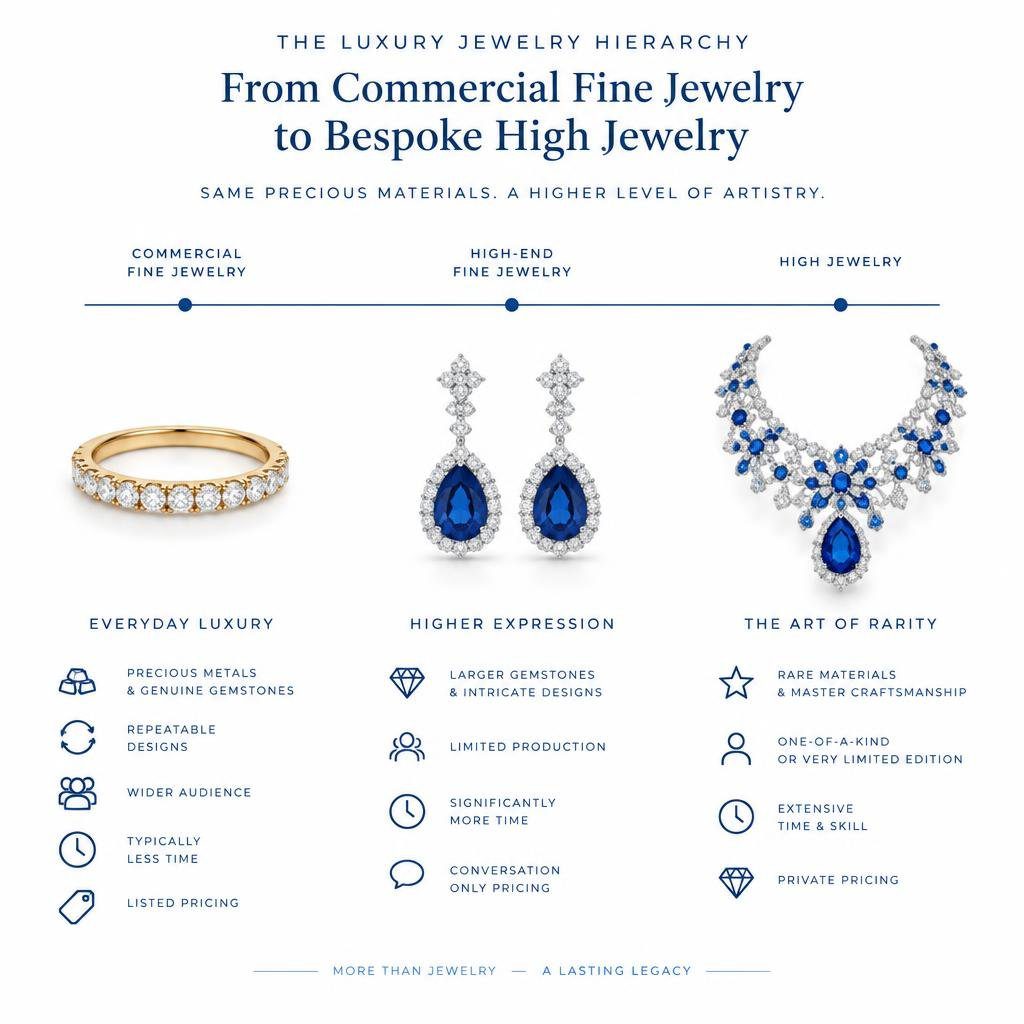
Fine Jewelry vs. High Jewelry: Production, Exclusivity, and Time
The most significant differentiators between fine jewelry and high jewelry lie in their production scale, the exclusivity of their designs, and the sheer amount of time invested in their creation. Fine jewelry, while crafted from precious materials, is typically produced in repeatable designs. A classic example is a Cartier Love bracelet, which, despite its intricate design, takes approximately 40 hours to produce. These pieces are designed for a wider audience, allowing brands to cater to consistent demand and maintain a strong market presence. They are generally available in boutiques with transparent, listed pricing.
High jewelry, in stark contrast, is a realm of extreme exclusivity and artistic obsession. These pieces are either one-of-a-kind or produced in extremely limited editions, often comprising seasonal collections of only 30 to 60 pieces in total. The creation process for a single high jewelry necklace can demand anywhere from 300 to 800 hours, and sometimes even more, reflecting an unparalleled commitment to handcraft. This intensive labor, combined with the rarity of materials and the unique vision of the master artisans, means these pieces are not reorderable and often lack price tags in boutiques, with pricing discussed privately with select clients. The objective isn’t mass appeal but rather the creation of wearable art that pushes the boundaries of design and craftsmanship.
Evaluating Materials, Gemstones, and Craftsmanship in Fine Jewelry and Luxury Goods
The intrinsic value of luxury jewelry is deeply rooted in the quality of its materials, the selection of its gemstones, and the meticulous craftsmanship applied during its creation. In fine jewelry, we expect to find pieces fashioned from 18k gold or 950 platinum, adorned with high-quality diamonds and other precious or semi-precious gemstones. The focus here is on consistent quality and adherence to established standards.
However, in the realm of high jewelry, the criteria for gemstone selection transcend mere specifications. Here, gemstones are chosen for their unique “character,” their exceptional rarity, and their individual stories. A 25-carat diamond might be rejected if it “doesn’t sing” under specific lighting, as one anecdote suggests, highlighting a pursuit of aesthetic perfection beyond standard grading. This involves rigorous testing, sometimes even under specific conditions like “Northern light,” to ensure the stone possesses an extraordinary visual quality. Beyond diamonds, high jewelry frequently incorporates rare and exceptional colored gemstones, as well as unique ornamental stones, chosen for their vibrant hues and distinctive patterns.
Craftsmanship also reaches an unparalleled level in high jewelry. Techniques such as pavé setting, where numerous small gemstones are set closely together to create a continuous, sparkling surface, are executed with extreme precision. Traditional methods like guilloché engraving, a delicate decorative technique often seen in Swiss watchmaking, are employed to create intricate patterns on metal surfaces, adding texture and depth. Furthermore, innovations like kinetic mechanics, where elements of the jewelry move or spin, demonstrate a mastery of engineering combined with artistic vision, as seen in Piaget’s Possession collection, which introduced the concept of a turning ring in 1990. These advanced techniques and the pursuit of material perfection are what elevate a piece from fine to high jewelry.
Heritage Maisons, Historic Milestones, and Signature Innovations
The most iconic luxury jewelry brands have not only created beautiful objects but have also shaped the very language of luxury through their groundbreaking techniques and distinctive designs. Many of these historic houses, such as Van Cleef & Arpels, Cartier, and Bulgari, originated in the 19th and early 20th centuries, often starting as small ateliers in fashion capitals like Paris, New York, or Rome. Their enduring legacy is built upon a foundation of visionary artistry and relentless innovation.
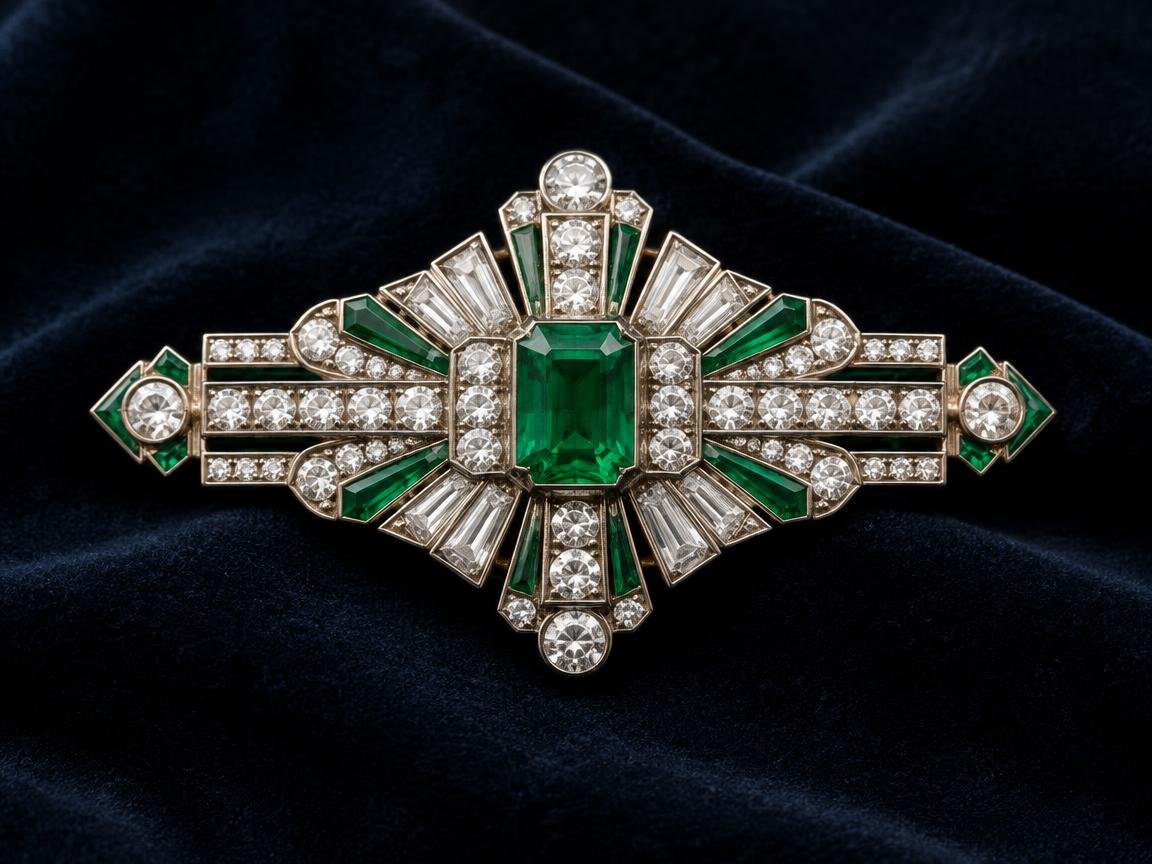
From Van Cleef & Arpels’ patented ‘Mystery Set’ technique, which hides all prongs to create a seamless surface of gems, to Cartier’s iconic ‘Tutti Frutti’ jewels inspired by Jacques Cartier’s 1911 trip to India, these brands have consistently pushed boundaries. Bulgari’s ‘Serpenti’ motif, which pioneered articulated snake designs in 1948, and Harry Winston’s ‘Cluster’ setting, designed to minimize metal and maximize a diamond’s brilliance, are further examples of signature innovations that have become synonymous with their respective houses. Piaget’s ‘Decor Palace’ engraving, inspired by guilloché, and their kinetic ‘Possession’ collection, further exemplify the blend of tradition and innovation. These creations are not merely accessories; they are milestones in design history, often commanding six-figure sums at major auctions and becoming coveted pieces for collectors worldwide.
Groundbreaking Techniques: From Invisible Settings to Kinetic Design
The evolution of luxury jewelry is marked by a continuous quest for technical mastery and artistic expression. Many of the techniques pioneered by leading maisons have become industry benchmarks. Van Cleef & Arpels’ ‘Mystery Set,’ developed in 1933, stands out as a method of prongless gem mounting, allowing stones to sit flush against each other, creating an uninterrupted surface of color. This invisible setting technique is incredibly complex, requiring specially grooved gemstones and immense precision, resulting in a breathtaking visual effect where only the gems are visible.
Cartier’s ‘Trinity’ ring, conceived by Jean Cocteau in 1924, introduced the concept of three interlocking bands of different colored gold (yellow, white, and rose) symbolizing love, fidelity, and friendship. This seemingly simple design was a masterclass in tri-color gold casting and assembly. Bulgari’s ‘Serpenti’ collection, while iconic for its design, also showcased innovative articulated snake scales, allowing the pieces to coil gracefully around the wrist or neck, blending jewelry with watchmaking in a fluid, sculptural form.
Piaget’s ‘Possession’ collection, launched in 1990, brought kinetic mechanics to the forefront, featuring a distinctive turning ring that allows the wearer to interact with the piece. This innovative design, combined with their signature ‘Decor Palace’ engraving—a hand-worked gold technique inspired by guilloché—demonstrates a blend of traditional craftsmanship with modern, interactive elements. Harry Winston’s ‘Cluster’ setting, developed in the 1940s, was a stroke of genius in optical light dispersion, arranging diamonds at varying angles to minimize visible metal and maximize the stones’ collective brilliance. These groundbreaking techniques underscore the commitment of luxury brands to both aesthetic beauty and engineering prowess.
Master Ateliers and Archival Artistry
Behind every iconic piece of luxury jewelry lies the expertise of master artisans and the rich heritage preserved within the brand’s archives. These ateliers are not just workshops; they are bastions of traditional skills, where techniques passed down through generations are meticulously applied and innovated upon. The depth of this heritage is often astounding; for instance, David Webb’s archive contains over 40,000 drawings and models, a testament to decades of design evolution and artistic vision.
Some brands take exclusivity to an extreme. JAR (Joel Arthur Rosenthal), often described as “the Fabergé of our time,” produces only 70 to 80 jewels annually. Each piece is a unique work of art, crafted with an almost obsessive attention to detail and gemstone selection. JAR’s initials are famously the only identification on his minimalist boutique façade, emphasizing the artistry over overt branding. Similarly, Suzanne Belperron, a legendary designer, famously declared, “My style is my signature.” She never signed her pieces, believing her distinctive designs were sufficient identification, a testament to the power of stylistic signatures. Her work, characterized by bold forms and unconventional gem combinations, remains highly sought after.
These master ateliers often operate on a bespoke commission basis, serving an exclusive clientele. The meticulous handcraft involved in high jewelry means that each piece is a labor of love, a unique creation that cannot be replicated precisely. This approach fosters private client exclusivity, where relationships are built on trust, discretion, and a shared appreciation for unparalleled artistry. Such limited production and emphasis on individual artistic expression contribute significantly to the perceived and actual value of these extraordinary jewels.
Strategic Purchasing: Navigating Verification, Provenance, and Private Sourcing
Acquiring a piece of luxury jewelry, especially high jewelry, is a significant decision that requires careful consideration beyond aesthetic appeal. Strategic purchasing involves a thorough understanding of verification, provenance, and the various sourcing channels available. Ensuring the authenticity, ethical sourcing, and true value of a piece protects your investment and provides peace of mind.
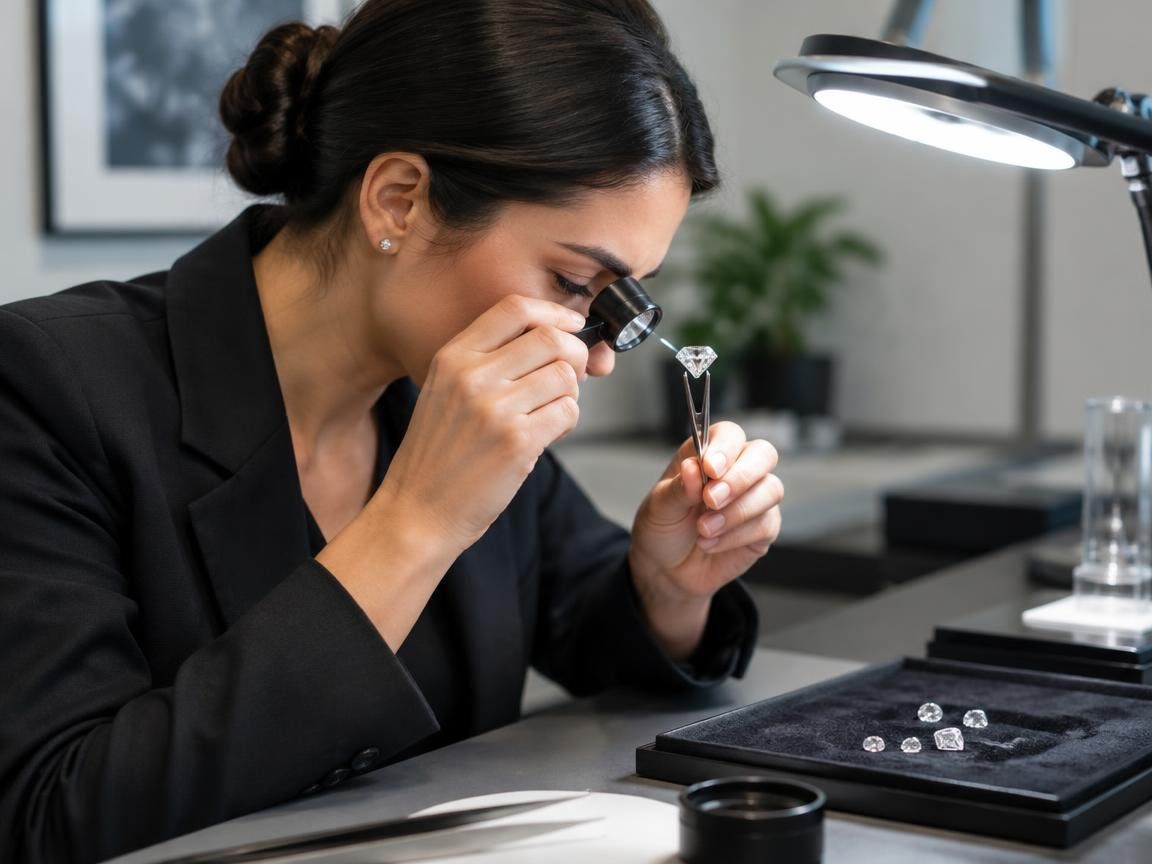
Key to this process is gemological certification from reputable laboratories (like GIA, AGS, or HRD), which provides an impartial assessment of a gemstone’s characteristics. Provenance documentation, detailing the history of ownership and origin of a piece, is equally crucial, particularly for antique or historically significant items. Ethical sourcing has become a paramount concern for discerning buyers, prompting inquiries into practices like Kimberley Process compliance for diamonds, ensuring they are conflict-free. Furthermore, understanding the “reorderability” of a piece can instantly clarify its tier—fine jewelry is typically reorderable, while high jewelry is not.
Essential Questions to Ask Before Acquiring Luxury Assets
Before making a substantial investment in luxury jewelry, we recommend asking a series of targeted questions to ensure you are fully informed and confident in your purchase. These questions delve into the specifics of the piece, its creation, and its market standing:
- What is the origin certification of the gemstones? Request official reports from independent gemological laboratories for diamonds and significant colored stones.
- Are there any thermal treatments or enhancements to the gemstones? Full disclosure of any treatments is essential, as they can impact a stone’s value and care requirements.
- Can you verify the extent of handcraft involved in this piece? Inquire about the hours spent, the specific techniques used, and whether artisans’ marks are present, especially for high jewelry.
- What is the replacement cost versus the current market value? Understand how insurance valuations might differ from potential resale values.
- Are there any specific maker hallmarks or brand signatures? These are crucial for authenticity and often indicate the quality and origin of the piece.
- Is this piece reorderable, or is it a one-of-a-kind creation? This question directly addresses the exclusivity and tier of the jewelry.
By asking these questions, buyers can gain clarity on the intrinsic value, craftsmanship, and rarity of the jewelry, helping to align expectations with the actual product.
Sourcing Channels: Boutiques, Auctions, and Private Salons
The journey to acquire luxury jewelry can take various paths, each offering a distinct experience and access to different types of pieces. Heritage flagships and brand boutiques are the primary channels for new fine jewelry and often showcase seasonal high jewelry collections. These environments offer the full brand experience, impeccable service, and the assurance of authenticity directly from the maison. However, prices here reflect retail markups and brand prestige.
For those seeking unique or historically significant pieces, auction houses are invaluable. Major auction events often feature rare vintage fine jewelry and exceptional high jewelry pieces, sometimes with significant provenance. Auction estimates provide a market-based benchmark, with prices ranging from $15,000 for contemporary fine jewelry to over $500,000 for historic Art Deco works. These platforms offer opportunities to acquire pieces that are no longer in production or have a unique story.
Private salons and bespoke commissions represent the pinnacle of personalized luxury. These exclusive settings allow for direct engagement with designers and artisans to create custom pieces. This approach is particularly common for high jewelry, where clients might collaborate on a one-of-a-kind creation tailored to their specific desires. These channels offer unparalleled discretion and the ultimate in personalized service, often leading to truly unique and irreplaceable treasures.
Market Liquidity, Valuation, and Resale Longevity
Understanding the financial aspects of luxury jewelry is as important as appreciating its beauty and craftsmanship. While many pieces are acquired for sentimental value, it’s crucial to be aware of their market liquidity and potential for value retention or appreciation. Unlike other investments, fine jewelry, particularly at the entry and mid-tiers, often experiences immediate depreciation upon purchase.
Typically, fine jewelry loses 30% to 50% of its retail value immediately after purchase, largely due to significant retail markups that cover brand overhead, marketing, and profit margins. This initial drop means that if you were to sell a newly purchased fine jewelry item, you would likely recoup only a fraction of its original price. However, this isn’t universally true. Iconic designs from heritage houses, such as a Cartier Love bracelet or a Van Cleef & Arpels Alhambra motif, often demonstrate better value retention, potentially holding 60% to 80% of their retail value in the secondary market. High jewelry, with its rarity and artistic merit, can sometimes appreciate, especially if it has significant provenance or is a one-of-a-kind masterpiece. However, without a compelling story or a strong collector market, even high jewelry can lose value.
Depreciation Realities vs. Value Appreciation Factors
The retail markup on fine jewelry is substantial, covering not just the cost of materials and labor but also brand equity, marketing campaigns, and extensive overheads. When a piece is purchased, this markup is effectively “lost” from its immediate resale value. The commodity melt value of the precious metals and the inherent value of the gemstones form the baseline, but the brand’s perceived value and the design’s iconic status play a crucial role in determining what a piece might fetch on the secondary market.
For fine jewelry, pieces with strong brand equity and iconic signatures tend to fare better. A Tiffany & Co. setting or a Bulgari Serpenti bracelet, for example, benefits from widespread recognition and consistent collector demand. These pieces transcend mere material value, embodying a legacy of design and craftsmanship.
High jewelry, on the other hand, operates on a different plane. Its potential for value appreciation is often tied to its rarity, the exceptional quality and size of its gemstones, and its unique artistic merit. Pieces that mark historical milestones, have been worn by notable figures, or have been featured in museum exhibitions can command significant premiums. The story and provenance attached to high jewelry can elevate its value far beyond the sum of its components, making it a true collector’s item. In October 2026, we continue to see strong performance for historically significant pieces at auction, reflecting enduring collector interest.
Best Practices for Selling and Consigning Fine Jewelry and Luxury Goods
When it comes time to sell or consign luxury jewelry, strategic planning can significantly impact the return on your investment. The first step is obtaining a professional appraisal grading from an independent, certified appraiser. This provides an objective assessment of the piece’s quality, authenticity, and market value, which is crucial for pricing and insurance purposes.
Consider the timing of your consignment. Certain periods, such as leading up to major holidays or during specific auction seasons, might yield better results due to increased buyer activity. Vetting secondary platforms is also essential; choose reputable auction houses, specialized consignment shops, or online luxury resale sites that have a proven track record and reach the right audience.
For estate valuation or particularly high-value pieces, private treaty sales might be an option, offering discretion and direct negotiation with interested parties. It’s important to understand the fees and commissions associated with each selling channel. While fine jewelry often faces immediate depreciation, iconic pieces from established houses can retain a significant portion of their value, especially if they are well-maintained and come with original documentation. For those looking to navigate the complexities of selling pre-owned luxury items, exploring options for luxury goods resale can provide valuable insights and avenues for successful transactions.
Frequently Asked Questions About Luxury Jewelry
Navigating the nuances of the luxury jewelry market can bring up several common questions. Here, we address some of the most frequently asked inquiries to provide further clarity for buyers and collectors.
What is the primary difference between fine jewelry and high jewelry?
The primary difference between fine jewelry and high jewelry lies in their production philosophy, exclusivity, and the level of handcraft. Fine jewelry is characterized by its use of precious materials (gold, platinum, diamonds, gemstones) in repeatable designs. It’s produced in larger quantities, often with transparent pricing, and forms the bulk (around 95%) of luxury brand sales. It’s designed for everyday luxury and wider accessibility.
High jewelry, conversely, is the pinnacle of artistic expression. These pieces are typically one-of-a-kind or produced in extremely limited editions (e.g., 30-60 pieces per seasonal collection). They involve hundreds of hours of meticulous handcraft (300-800+ hours per piece), feature exceptionally rare and character-driven gemstones, and are often not reorderable. Pricing is usually private, reflecting their bespoke nature and unparalleled artistry.
How much value does fine jewelry retain upon resale?
Fine jewelry typically experiences a significant depreciation immediately after purchase, often losing 30% to 50% of its retail value. This is largely due to the substantial retail markup applied by brands. However, the exact retention varies greatly. Iconic designs from heritage houses, like a Van Cleef & Arpels Alhambra or a Cartier Love bracelet, tend to hold their value better, potentially retaining 60% to 80% of their original retail price on the secondary market. Factors influencing retention include brand recognition, design popularity, the condition of the piece, and the current market value of its precious metals and gemstones. High jewelry, due to its rarity and artistic merit, can sometimes appreciate, especially if it has a compelling provenance.
How can buyers verify the authenticity and ethical sourcing of a piece?
Verifying authenticity and ethical sourcing is crucial. For authenticity, always request independent gemological certificates for significant stones (e.g., GIA, AGS). Look for clear maker hallmarks or brand signatures stamped on the metal. For high-value or vintage pieces, request archive extracts or provenance documentation that traces the item’s history.
For ethical sourcing, inquire about the brand’s supply chain practices. For diamonds, ensure compliance with the Kimberley Process, which aims to prevent conflict diamonds from entering the market. Many brands now provide more comprehensive information on their responsible sourcing of gold and other gemstones. Don’t hesitate to ask detailed questions about the chain of custody for materials, as transparency is a hallmark of ethical practice.
Conclusion
The world of fine jewelry and luxury goods is a fascinating blend of artistry, heritage, and significant investment. By understanding the critical distinctions between fine jewelry and high jewelry, buyers can navigate this market with greater clarity and confidence. We’ve explored how craftsmanship, gemstone selection, and production methods define these tiers, and highlighted the iconic brands that have shaped the industry’s landscape through their groundbreaking innovations.
From the meticulous ‘Mystery Set’ of Van Cleef & Arpels to the kinetic elegance of Piaget’s ‘Possession’ collection, these pieces are more than adornments; they are testaments to enduring human creativity and skill. Strategic purchasing, armed with essential questions about provenance, authenticity, and ethical sourcing, empowers collectors to make informed decisions. While fine jewelry may see initial depreciation, iconic designs and high jewelry pieces with significant provenance can offer remarkable value retention and even appreciation, making them not just beautiful possessions but also potential assets.
Market literacy transforms collecting from a mere indulgence into an informed pursuit. Whether you are acquiring a piece for its timeless aesthetic value, as a symbol of personal achievement, or as part of a diversified portfolio, understanding the nuances of luxury jewelry ensures that your choices are both personally resonant and strategically sound.
AD